
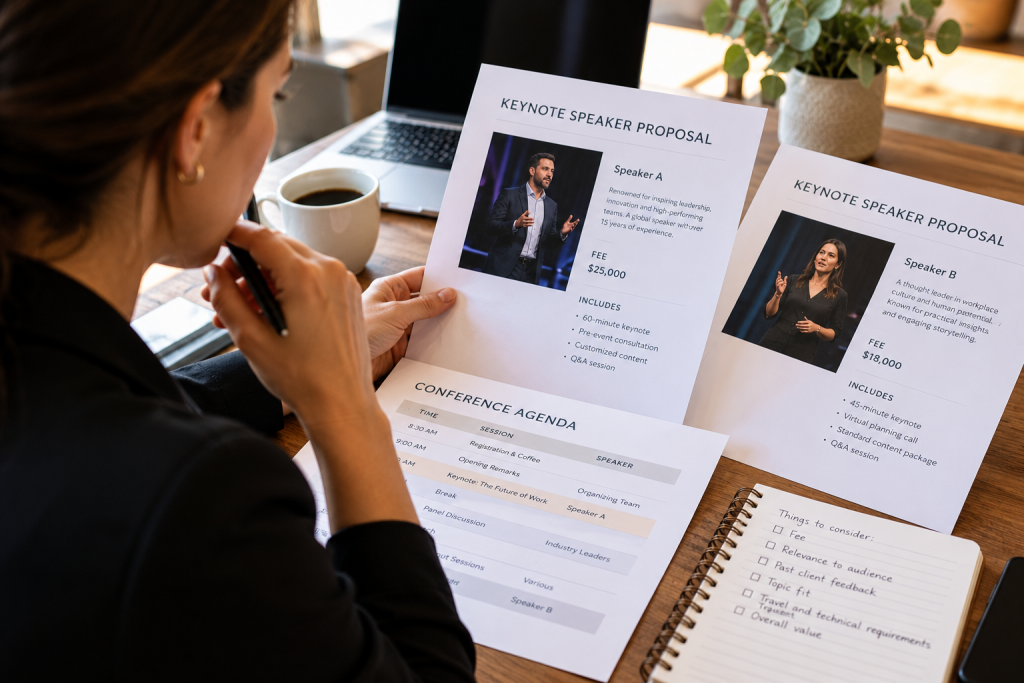
If you are comparing speaker proposals for your next event, the cheapest keynote speaker may look like the easy win. The number fits the spreadsheet. Your budget committee relaxes. You can move on to the next fire.
But a keynote is not a box of lanyards. Its value is not limited to the line item beside it. A low fee can become expensive when the room loses energy, the message misses your audience, or your team spends the day managing a speaker who was supposed to make the event easier.
The cheapest speaker is not always the wrong choice. The mistake is choosing on price alone without considering what the speaker will require from your team, how well they will connect with your audience, and what their message is designed to accomplish.
The real question isn’t just what a speaker costs. It’s what your event gets in return.
What Does a Keynote Speaker Really Cost an Event?
A keynote speaker costs more than the fee listed in a proposal. The full investment includes your team’s preparation time, the speaker’s ability to hold the audience’s attention, and the momentum they help create throughout the event.
Start with the fee, but look at the work surrounding it.
Will the speaker need extensive hand-holding? Do they have a clear pre-event process? Can they shape their message around your audience without asking you to build the presentation for them?
A speaker who is organized, curious, and easy to work with can save your team hours before the event even begins.
Here are four costs that rarely appear on a speaker proposal.
1. Planning time
A speaker who communicates poorly or leaves important questions unanswered creates extra calls, emails, and uncertainty. Your team already has enough moving parts to manage. The right speaker should make the process more manageable, not add unnecessary complexity.
2. Audience attention
If attendees disengage early, you have paid for a room full of distracted professionals. A strong keynote should give people a reason to listen, think, and participate.
You cannot guarantee that every attendee will respond the same way, but you can evaluate whether a speaker’s message and presentation style fit the room.
3. Event momentum
A flat keynote can leave the rest of your agenda working harder to regain the audience’s attention. The right speaker can reinforce your event’s purpose and give attendees an idea worth carrying into the next session.
4. Your professional reputation
When you recommend a speaker, your credibility is attached to that decision. If the experience disappoints, the consequences may extend beyond the session itself.
That is why evaluating a speaker deserves more than comparing the final numbers in a spreadsheet.
How Do You Compare Speaker Fees Fairly?
Compare speaker fees by looking at the complete experience, not just the headline price.
Ask every finalist the same questions about customization, logistics, audience interaction, and what happens after the applause. This makes it easier to compare proposals fairly and identify the speaker who best fits your event.
I spent more than 20 years in corporate sales leadership. I understand why a lower number gets attention. I’ve been in the meeting where the budget is tight and every expense needs a defense.
But I’ve also seen how much effort goes into building an event, only to have its most important moment handed to someone who treats the room like another stop on a tour.
That is a difficult position for an event organizer. You do not necessarily need a celebrity or the most expensive name available. You need a professional who understands the stakes, prepares carefully, and can help your audience take a meaningful next step.
When comparing keynote speaker proposals, look for evidence of:
- A genuine discovery process: The speaker asks about your audience, objectives, and event context before recommending an approach.
- Relevant stories and a clear point of view: The message connects to the challenges your attendees actually face.
- Live presentation experience: Video shows how the speaker communicates and engages a real audience.
- Relevant references: Testimonials or examples demonstrate experience with events similar to yours.
- Reliable logistics: Travel, audiovisual needs, timing, and communication are handled professionally.
The best value is not automatically the highest fee, either. It is the speaker whose preparation, message, and presence match the job you need done.
Why Can a Low Speaker Fee Create More Work?
A low speaker fee can create more work when expectations are unclear or preparation is weak.
Your event team should not have to chase a biography, resolve basic travel details at the last minute, or wonder whether the speaker has read the brief. These problems consume time that could be spent improving other parts of the event.
On a mountain, we choose our rope team carefully. The right people make difficult sections more manageable. The wrong fit does not simply slow the climb; it can change the level of risk for everyone attached to the rope.
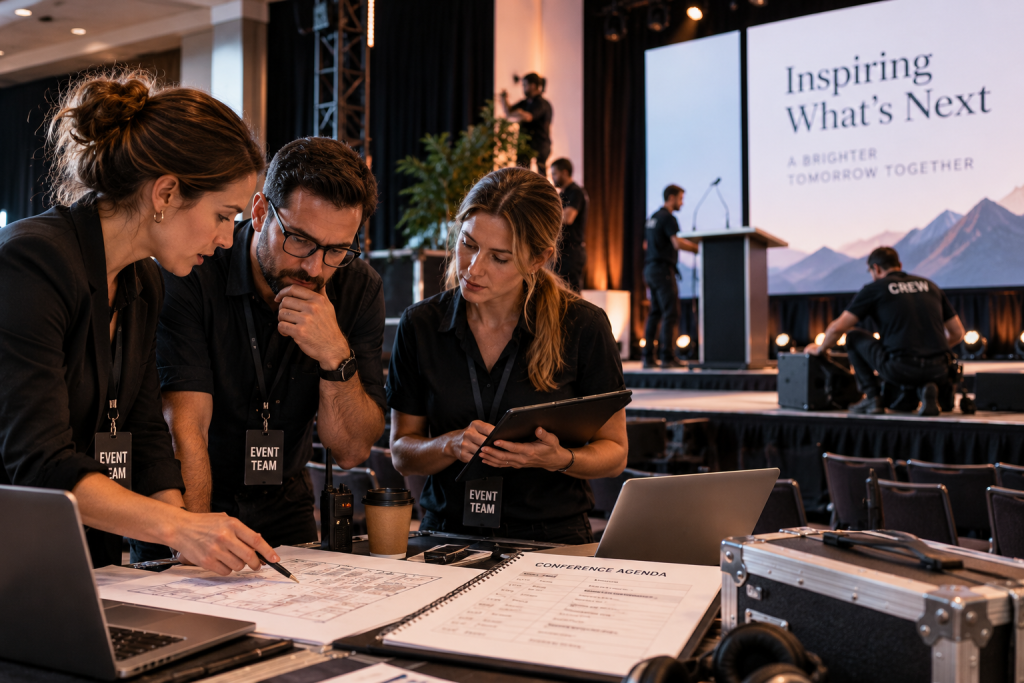
Booking a speaker works in a similar way. Ask yourself whether this person will make your event team steadier or become another moving part to manage.
Consider the entire working relationship:
- Does the speaker respond clearly and consistently?
- Do they ask thoughtful questions about the event?
- Can they explain what they need from your team?
- Are they realistic about what their keynote can accomplish?
- Do they respect your schedule and production requirements?
These questions help you evaluate the experience beyond the fee. A speaker who is prepared, communicative, and aligned with your goals can make the process easier for everyone involved.
What Should You Prioritize Instead of the Lowest Price?
Prioritize fit, proof, and preparation. These three factors help protect your budget while keeping the needs of your audience at the center of the decision.
Fit: Does the speaker understand your audience?
A sales kickoff needs something different from a leadership retreat or an association conference. The speaker should understand the event’s purpose and connect the message to the challenges attendees are facing.
Look for someone who asks about your objectives instead of assuming that one presentation works for every room.
Proof: Can you see the speaker in action?
A polished highlight reel is a useful starting point, but it should not be the only evidence you consider.
Watch available presentation footage, review relevant testimonials, and ask for examples of how the speaker has worked with similar audiences.
You can read David Snow’s speaker testimonials to learn more about the experiences clients have shared.
Preparation: Is there a clear process?
A good speaker respects the work behind the event. They ask thoughtful questions, learn about the audience, coordinate with the organizer, and arrive prepared.
Review David’s keynote speaking approach to learn more about his work and presentation offering.

How to Make a Speaker Decision You Can Stand Behind
You do not need to overspend to make a good decision. You need to know what you are buying.
Before booking, write down the one outcome you want your audience to carry into the following week. Perhaps you want your sales team to approach challenges differently, your leaders to communicate more effectively, or your members to leave with a fresh perspective.
Then ask each speaker how their message will support that goal.
Compare their answers with the evidence you have gathered. Consider their experience, preparation process, presentation style, and ability to work with your team. Finally, confirm the fee and the practical details in writing.
This gives you a more complete basis for making the decision. It also gives you a clear explanation for stakeholders who need to understand why one speaker offers better value than another.
Your event is an opportunity to move people from passive attendance toward meaningful action. Choose the person who can help support that purpose, and let the spreadsheet inform the decision rather than make it for you.
If you are considering David for an upcoming event, get in touch to discuss your speaking requirements.
Frequently Asked Questions About Keynote Speaker Fees
Is the cheapest keynote speaker always a bad choice?
No. A newer or local speaker may be an excellent fit at a lower fee. The mistake is assuming the lowest price automatically represents the best value without checking the speaker’s preparation, relevance, experience, and evidence of effective delivery.
What should be included in a keynote speaker fee?
Ask whether the fee includes discovery calls, customization, travel, lodging, audiovisual requirements, and any post-event availability you need. The details vary by speaker and agreement, so request a clear proposal that identifies what is included and what may cost extra.
How far ahead should I book a conference speaker?
For a major conference or sales kickoff, starting six to twelve months ahead can give you more options and time to coordinate the keynote with your event strategy. The right lead time depends on the event, speaker availability, and your planning requirements.
How do I know if a motivational speaker is worth the investment?
Look at the fit between the speaker’s message and your audience, relevant presentation experience, client feedback, and preparation process. Ask what the keynote is designed to help attendees understand or do differently. Consider the complete value offered rather than relying on the fee or promotional claims alone.
Choose a Speaker Who Helps Your Audience Move Forward
David Snow is a keynote speaker, author of Peak Persistence, and mountaineer whose Seven Summits experience includes two Everest expeditions. Before taking the stage full time, he spent more than 20 years in corporate sales leadership.
His signature keynote, One Step Beyond, helps teams move from complacency to action.
When evaluating a speaker, look beyond the highlight reel and the fee. Find someone who understands your audience, can explain the purpose of their message, and approaches your event with preparation and care.
A few thoughtful questions now can save weeks of unnecessary back-and-forth and help you create an event your audience remembers for the right reasons.
Looking for a keynote speaker for your next event? Contact David Snow to discuss your event and speaking requirements.