

Choosing between a keynote, breakout session, and workshop is not simply a matter of deciding how long a speaker should be on stage. It is about understanding what your audience needs and what you want them to do differently after the event.
Choose the right format, and your attendees leave with shared energy, useful ideas, and a clear next step. Choose the wrong one, and even an excellent keynote speaker can feel like the wrong fit.
So, what’s the difference between a keynote, breakout, and workshop?
The short answer: A keynote creates shared momentum across a large audience. A breakout session delivers focused insight to a smaller group. A workshop turns ideas into action through participation, practice, and collaboration.
The best format depends on the outcome you want—not simply the available time slot or the speaker’s preferred presentation style.
What Is the Difference Between a Keynote, Breakout, and Workshop?
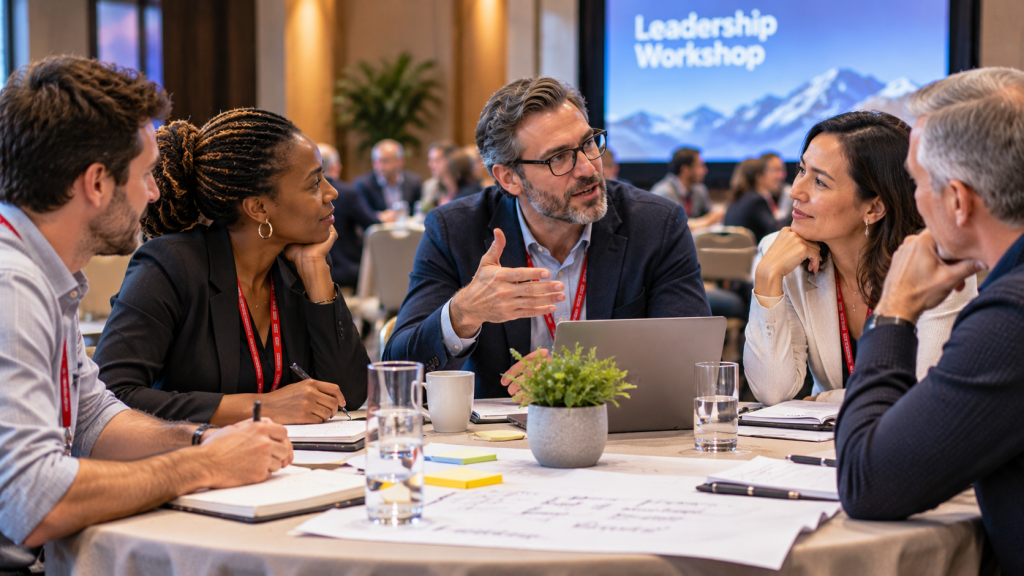
Although these three formats are often grouped together when planning conferences and corporate events, they serve different purposes.
Here’s a simple comparison:
| Format | Primary Purpose | Best For |
|---|---|---|
| Keynote | Inspire and unite an audience | Large conferences, openings, and closings |
| Breakout session | Explore a specific topic | Smaller groups and targeted discussions |
| Workshop | Build skills and create action | Practice, planning, and decision-making |
None of these formats is automatically better than the others. Each solves a different event-planning challenge.
The important thing is to match the format to the experience you want your attendees to have.
When Should You Book a Keynote Speaker?
Book a keynote speaker when your event needs a shared message, a shift in perspective, or a moment that brings everyone together.
Keynotes are particularly effective for:
- Opening or closing a conference.
- Launching a new company initiative.
- Energizing a sales kickoff.
- Supporting a leadership transformation.
- Connecting employees around a common purpose.
- Giving attendees a memorable message to carry forward.
A keynote is designed to reach the entire room. It gives people a common experience and language they can take into the conversations that follow.
For example, at a sales kickoff, the keynote shouldn’t simply be a long list of sales tactics. It should set the direction, challenge familiar thinking, and give the team a reason to lean into the work ahead.
That’s why the placement of a keynote matters just as much as the speaker you hire.
If you’re planning a sales kickoff, read how to open a sales kickoff so the energy holds all day for more insight into creating momentum from the beginning.
When a keynote isn’t the right choice: If your primary objective is detailed skill development, department-specific planning, or hands-on practice, a keynote alone probably won’t deliver the outcome you need.
You can inspire 300 people in 45 minutes. You cannot realistically workshop all 300 through a complex behavior change in that same amount of time.
When Is a Breakout Session the Better Choice?

A breakout session works best when a particular group of attendees needs a more focused conversation.
Unlike a keynote, which addresses the entire audience, a breakout allows event organizers to divide attendees into smaller groups based on their roles, interests, or challenges.
Consider a conference where:
- Sales managers need help coaching their teams.
- Individual contributors want practical ways to handle objections.
- New leaders need guidance on managing change.
- Department heads need to discuss specific business challenges.
Giving everyone the same presentation may not be the most effective approach. Breakout sessions allow attendees to explore topics that are more relevant to their responsibilities.
What Makes a Successful Breakout Session?
The best breakout sessions have one clear promise.
Attendees should understand what they will learn, consider, or be able to do by the end of the session.
For example, instead of naming a session “Leadership Development,” make the outcome more specific: “Three Conversations Every New Manager Needs to Lead.”
A strong breakout also requires preparation. Give your speaker the audience profile, the challenge being addressed, and information about the sessions that come before and after.
That preparation helps a breakout feel connected to the larger event rather than like a presentation that could have been delivered anywhere.
When Do You Need a Workshop Facilitator?
You need a workshop facilitator when your event must produce action, not just agreement.
A workshop is designed around participation. Attendees are expected to contribute, practice, discuss, make decisions, or create something together.
A workshop may be the right format when your team needs to:
- Practice difficult conversations.
- Develop a leadership action plan.
- Solve a real business problem.
- Improve communication between departments.
- Rehearse a new sales behavior.
- Agree on priorities and responsibilities.
I learned this on expeditions. A team can listen to a briefing at base camp, nod along, and still be unprepared when the icefall changes.
The real work happens when people talk through roles, test decisions, and make sure everyone knows what to do when conditions shift.
Business teams aren’t climbing Everest, but the principle holds: information is not ownership.
How Long Should a Workshop Be?
A meaningful workshop generally needs at least 90 minutes, although more complex objectives may require a half-day or longer.
The time must allow for more than listening. Participants need opportunities to practice, discuss, reflect, and agree on what happens next.
A workshop should also have a defined output, such as:
- A documented action plan.
- A decision or set of priorities.
- A list of team commitments.
- A practiced skill or behavior.
- A solution to a specific challenge.
If your event agenda cannot provide enough time for genuine participation, it may be better to design the session as a breakout rather than call it a workshop.
How Do You Choose the Right Format for Your Event Agenda?
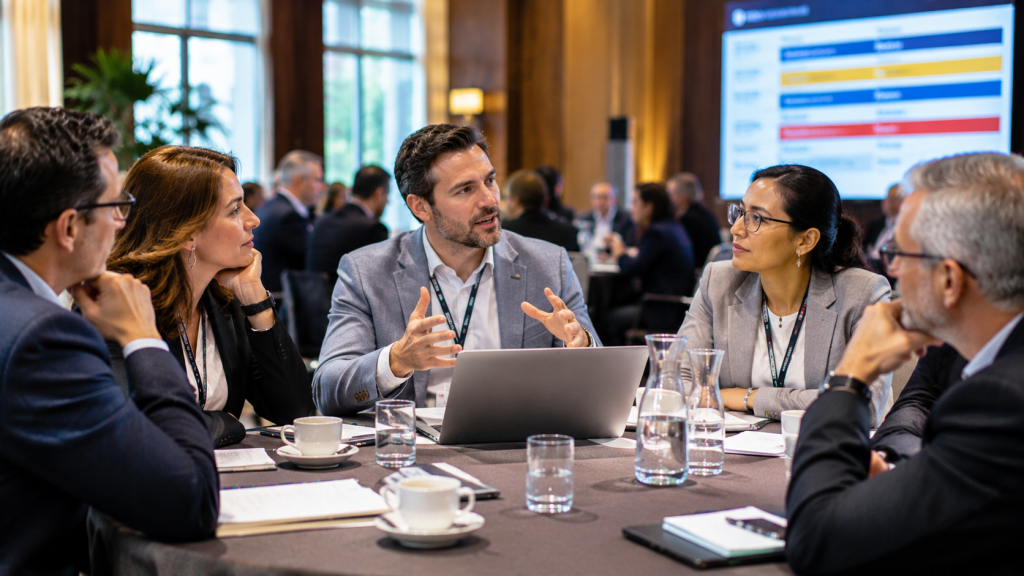
Before contacting a conference speaker or requesting proposals, answer four questions.
1. Who Needs the Message?
Does the entire organization need to hear the same message? Is the session intended for one department? Or do you need a small leadership group to work through a specific issue?
The size and composition of your audience will help determine the most appropriate format.
2. What Needs to Change?
Be specific about the outcome.
Do you want attendees to feel motivated? Understand a new strategy? Make a decision? Practice a skill?
Energy, understanding, agreement, and behavior change are different objectives. They require different experiences.
3. How Much Participation Is Essential?
A keynote is primarily a shared listening experience. A breakout may include discussion and questions. A workshop requires active participation.
Don’t promise hands-on learning if the agenda only allows time for a presentation.
4. What Can Your Agenda Actually Support?
Consider the practical details:
- Available session time.
- Room capacity and layout.
- Tables, chairs, and presentation equipment.
- Number of facilitators required.
- Transitions between sessions.
- Breaks and other scheduled activities.
These details are not minor logistics. They influence what your speaker can realistically deliver.
Once you understand the outcome, brief your speaker accordingly. A leadership speaker can adapt a message, but cannot make a 60-minute presentation function like a half-day working session.
For more guidance, read how to brief a speaker so the talk feels custom, not canned.
Can One Speaker Deliver a Keynote and a Workshop?
Yes. One speaker can deliver both a keynote and a workshop, provided the objectives are connected and the speaker has the experience to facilitate both formats.
In fact, combining the two can create a valuable event experience.
A keynote can introduce a central idea, challenge assumptions, and establish a shared language. A workshop later in the agenda can help attendees apply that idea to their own situations.
Before booking, ask the speaker:
- How will the keynote connect to the workshop?
- What will participants actually do during the workshop?
- What will attendees leave with?
- How much time and preparation will the workshop require?
- What room setup and materials are needed?
The goal is to create continuity between the sessions, not simply book the same person twice.
The Right Event Format Starts With the Right Outcome
Your event doesn’t need more content simply for the sake of filling the agenda. It needs the right experience for the people in the room.
A keynote can unite an audience around a shared message. A breakout can help a specific group explore a challenge. A workshop can turn an idea into a decision, a practiced skill, or a plan.
When the format matches the outcome, every session has a purpose. The agenda becomes more than a schedule of presentations—it becomes a sequence of experiences that moves people toward meaningful action.
That’s the difference between an event people simply attend and one that gives them something worth taking back to work.
Frequently Asked Questions
Is a keynote or breakout better for a conference?
A keynote is better when the entire audience needs a shared message, inspiration, or energy. A breakout is better when a defined group needs a focused and relevant conversation. Many successful conferences use both formats.
How long should a workshop be?
Plan for at least 90 minutes if you expect meaningful participation and a tangible output. More complex activities may require a longer session.
Can one speaker deliver a keynote and a workshop?
Yes, provided the speaker has the relevant presentation and facilitation experience. The keynote and workshop should have connected objectives, with the workshop giving attendees an opportunity to apply the keynote’s ideas.
What is the difference between a workshop facilitator and a keynote speaker?
A keynote speaker primarily delivers a message to an audience. A workshop facilitator guides participants through activities, conversations, and exercises designed to produce a specific result. Some professionals have the skills to perform both roles.
How do I choose the right conference speaker format?
Start with the outcome you want. Decide whether attendees need shared inspiration, focused insight, or hands-on practice. Then consider audience size, available time, room setup, and budget before choosing a format.
About David Snow
David Snow is a keynote speaker, author of Peak Persistence, and mountaineer who has led teams on the Seven Summits, including two expeditions on Everest. He spent more than 20 years in corporate sales leadership before taking the stage full time.
His signature keynote, One Step Beyond, helps teams move from complacency to action.
Looking for a speaker for your next event? Explore David Snow’s speaking options and check availability.