
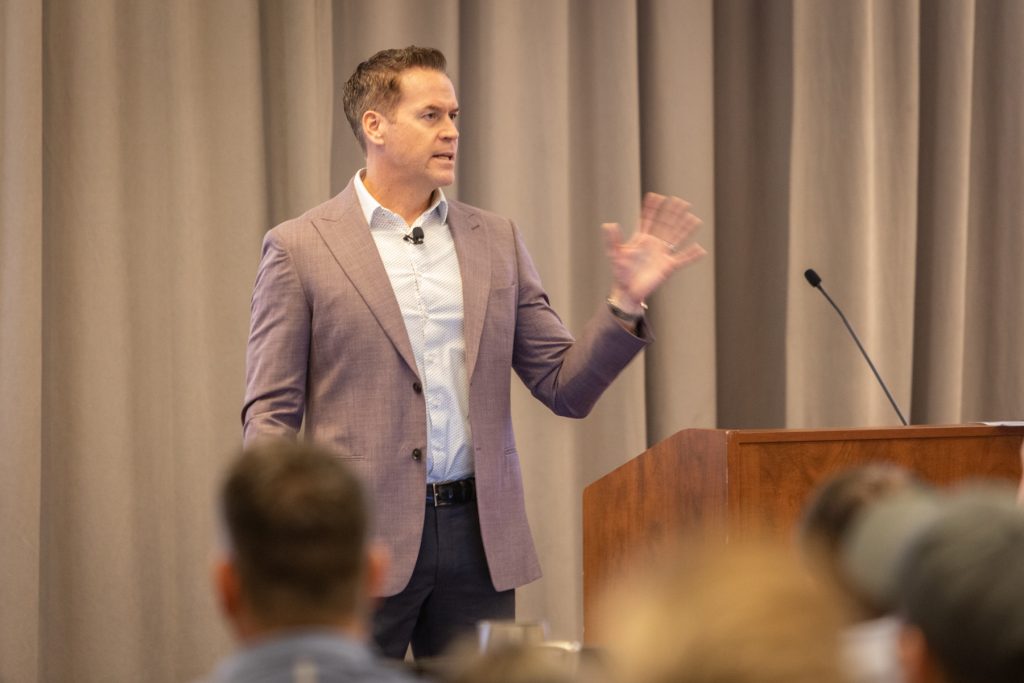
You signed the agreement. The speaker fee is approved. Now comes the part many event teams miss: getting the most from your speaker fee after the contract is in place.
A keynote speaker can do far more for an event than fill an hour on the agenda. The real value comes from connecting the speaker’s message to the audience, the event’s goals, and what happens after the keynote ends.
The short answer is simple: give the speaker a sharp brief, place the keynote with intention, prepare the audience, and create one practical follow-through action. The goal isn’t more minutes on stage. It’s more momentum after the speaker leaves.
Why Does a Speaker Fee Feel Expensive When the Event Is Still Months Away?
Because the number is easy to see and the outcome is harder to picture.
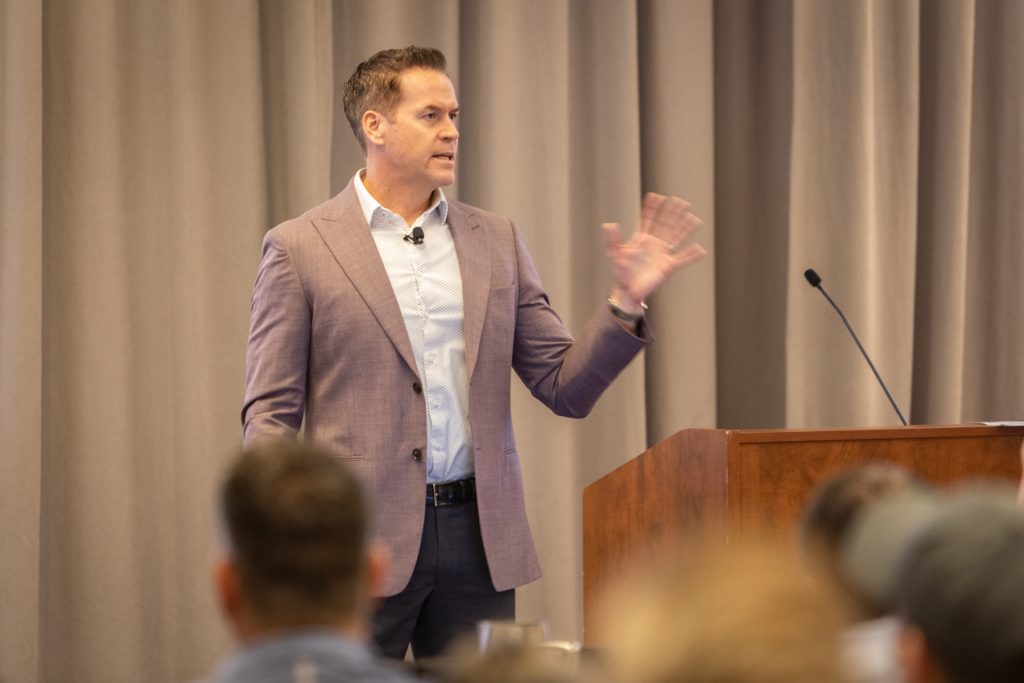
A speaker fee isn’t simply payment for an hour with a microphone. You’re paying for preparation, experience, perspective, and the ability to help a room move together.
The mistake is treating that hour as an isolated line item. When you do, every dollar gets compared to stage time. When you connect the keynote to the rest of the event, it becomes easier to understand the value of bringing in an experienced keynote speaker.
The question isn’t only, “What happens during the keynote?”
It’s also, “What can this message help our people do afterward?”
How Can I Get the Most From My Speaker Fee?
Start by making the speaker part of the event rather than a decorative item on the agenda. Give them the context and access they need, then make a few deliberate choices around the keynote.
Here are five practical ways to get more value from your investment.
1. Send a Real Brief, Not a Brochure
Share the business challenge, the audience’s mood, the language leaders are using, and what has already been tried.
A good event speaker can make a presentation feel personal without pretending to know your company better than you do. The more useful context you provide, the easier it is for the speaker to understand the terrain.
2. Name One Outcome
What do you want people to do differently?
Maybe you want a tired team to re-engage. Perhaps you want a sales organization to take ownership of the next quarter. Or maybe leaders need to stop passing blame and start taking responsibility.
Pick one primary outcome.
Three outcomes often become none.
3. Prepare the Room
Before the keynote begins, tell people why the message matters now.
A short introduction with a clear reason for the session can be more effective than a long biography. Give the audience a reason to pay attention before the speaker ever takes the stage.
4. Give the Keynote a Home in the Agenda
Don’t wedge your keynote speaker between lunch and a sponsor raffle, then wonder why the energy disappeared.
Protect the time before and after the keynote. Think about where the audience will be mentally and physically when the speaker takes the stage.
A strong keynote deserves an agenda that allows people to actually hear it.
5. Choose One Next Step
The simplest follow-through is often the one people will actually use.
Ask managers to bring one question from the keynote into their next team meeting. Give attendees a simple commitment to make. Revisit one idea at the next leadership meeting.
It doesn’t need to be complicated.
The goal is to turn a memorable message into something people can use.
What Should I Give a Keynote Speaker Before the Event?
Give them the truth.
The useful truth is better than the polished version.
Tell your speaker what people are worried about, what success looks like six months from now, and where the organization is struggling.
On a mountain, an icefall is a section where the route can change quickly and mistakes can become expensive. Every organization has an icefall of its own.
Your speaker doesn’t need confidential information. They do need an honest map of the terrain.
I’ve experienced that firsthand in mountaineering. I once turned around 300 feet from a summit because conditions had changed. It wasn’t the plan I wanted, but it was the decision the mountain required.
Teams face similar moments.
A message about persistence lands differently when it acknowledges that moving forward can sometimes mean changing the route.
Use the Speaker Before and After the Keynote
The most useful work can happen around the main session.
Consider scheduling a short pre-event call with leaders. Share a short video clip from the speaker in an internal invitation. If the schedule allows, arrange a brief meet-and-greet or focused breakout after the keynote.
These moments can help extend the speaker’s message beyond the main presentation.
If you’re comparing speakers for a future event, you can also review David’s keynote videos and client testimonials to get a better sense of the message and experience.
The keynote shouldn’t feel like an isolated hour. It should have a place within the larger experience you’re creating.
Measure the Conversation, Not Just the Applause
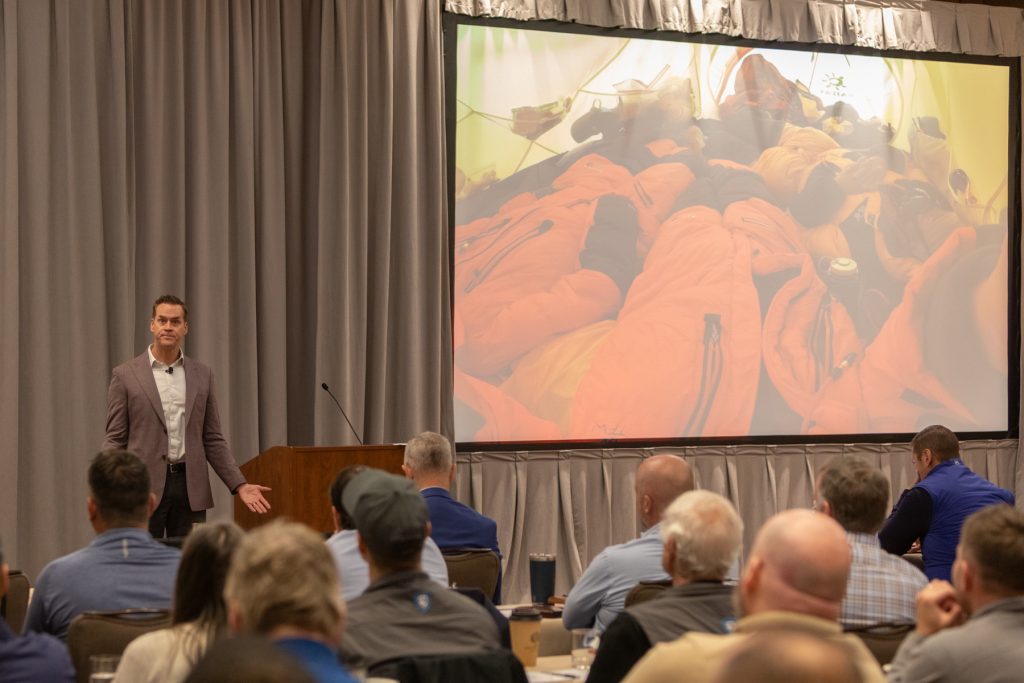
Applause is easy to measure.
Lasting impact is harder.
Instead of relying only on attendee satisfaction scores, ask three questions the next day:
- What line or idea did people repeat?
- What behavior did leaders commit to changing?
- What will we revisit in 30 days?
Those answers can tell you whether the keynote gave your team language they can actually use.
That’s what I mean by One Step Beyond.
It isn’t a promise that everything changes at once. It’s one clear step, taken together, after people walk out of the room.
The Concrete Takeaway
Before your next conference speaker takes the stage, schedule a 20-minute internal planning huddle.
Decide three things:
- The one outcome you need.
- The one thing the speaker needs to know.
- The one action attendees will take afterward.
Put those answers in writing and share the relevant context early.
You already made the investment. Now give it a route.
When a keynote is connected to the work before and after it, the message has a much better chance of staying with people long after the ballroom empties.
FAQs
Should I ask a keynote speaker to customize the talk?
Yes. Share the audience, business context, desired outcome, and language that matters to your team. The goal is a relevant presentation, not a speaker repeating internal details they don’t understand.
Is a meet-and-greet worth adding to a speaker engagement?
It can be, particularly for a smaller leadership group or sales kickoff team. Keep it focused and brief so the interaction supports the keynote rather than diluting it.
How do I measure the value of a motivational speaker?
Look for what people do after the event. Track commitments, manager conversations, and follow-up actions connected to the message—not just attendee satisfaction scores.
About David Snow
David Snow is a keynote speaker, author of Peak Persistence, and mountaineer who has led teams on the Seven Summits, including two expeditions on Everest. He spent more than 20 years in corporate sales leadership before taking the stage full time. His signature keynote, One Step Beyond, helps teams move from complacency to action.